The Australian fashion tech platform wants to take fashion discovery away from the algorithm and put it back in your hands.
Online shopping has somehow become both incredibly easy and incredibly annoying.
We have access to independent designers in Copenhagen, department stores in London and emerging Australian labels that, ten years ago, we might never have heard of. Almost anything we could possibly want to wear is available to us, yet finding something we genuinely love can feel more time consuming than ever.
My own shopping habits are probably a good example of this. I'll see something on Instagram, screenshot it, forget where it came from, open another tab, browse a few different retailers and eventually end up back at one of the same five stores I always shop from anyway.
Then there are the algorithms. For something that supposedly knows our taste so well, they have a tendency to show us the same brands, the same products and, increasingly, the same version of personal style.
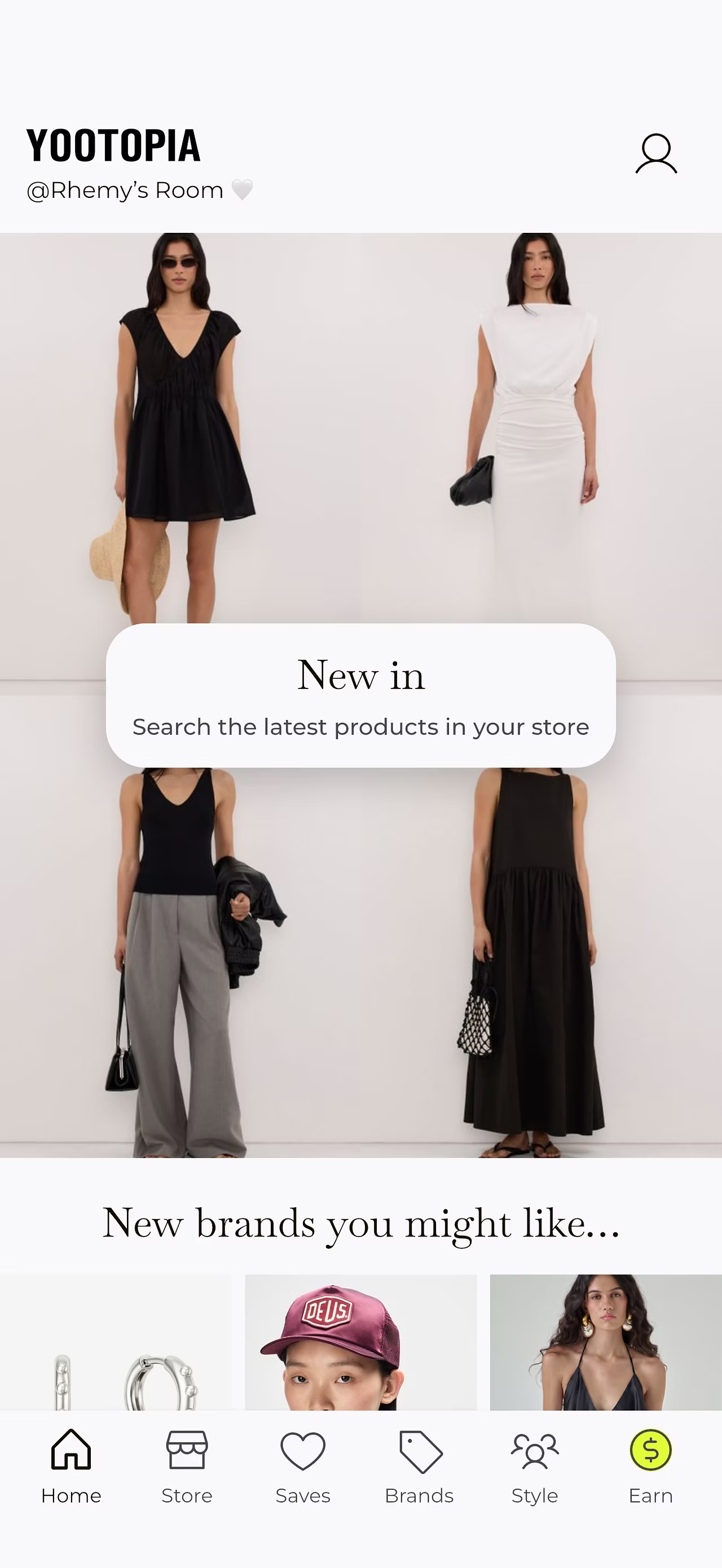
It's a frustration Australian founders Eri Stewart and Lucy Hosken are hoping to address with Yootopia, an AI-powered fashion discovery platform. Rather than relying on an algorithm to determine what you should be shopping, Yootopia allows you to create your own online shopping environment based on the brands you actually want to discover.
Too Much Fashion, Not Enough Discovery
For years, online shopping has relied heavily on recommendations. You buy a black blazer, so a retailer suggests another black blazer. You spend ten minutes looking at ballet flats and suddenly every second advertisement on Instagram is for a pair of ballet flats. While these recommendations can be useful, they can also make shopping feel incredibly repetitive.
Yootopia approaches personalisation a little differently. Users select the brands they want to include in their own virtual store, creating a space that reflects their individual taste. AI helps them navigate and discover products within that environment, but the initial selection of brands is theirs to make.
For all the opportunities the internet has created for fashion discovery, what we actually see online is increasingly influenced by advertising budgets, sponsored placements and social media algorithms. Smaller brands can be producing incredible collections without ever appearing on our feeds, simply because they don't have the marketing budgets of their larger competitors.
It also raises a question about the way trends develop. If we've all been repeatedly shown the same pair of shoes for six months, did we collectively decide we loved them, or did we eventually come around to them because we couldn't escape them?
The Women Behind Yootopia
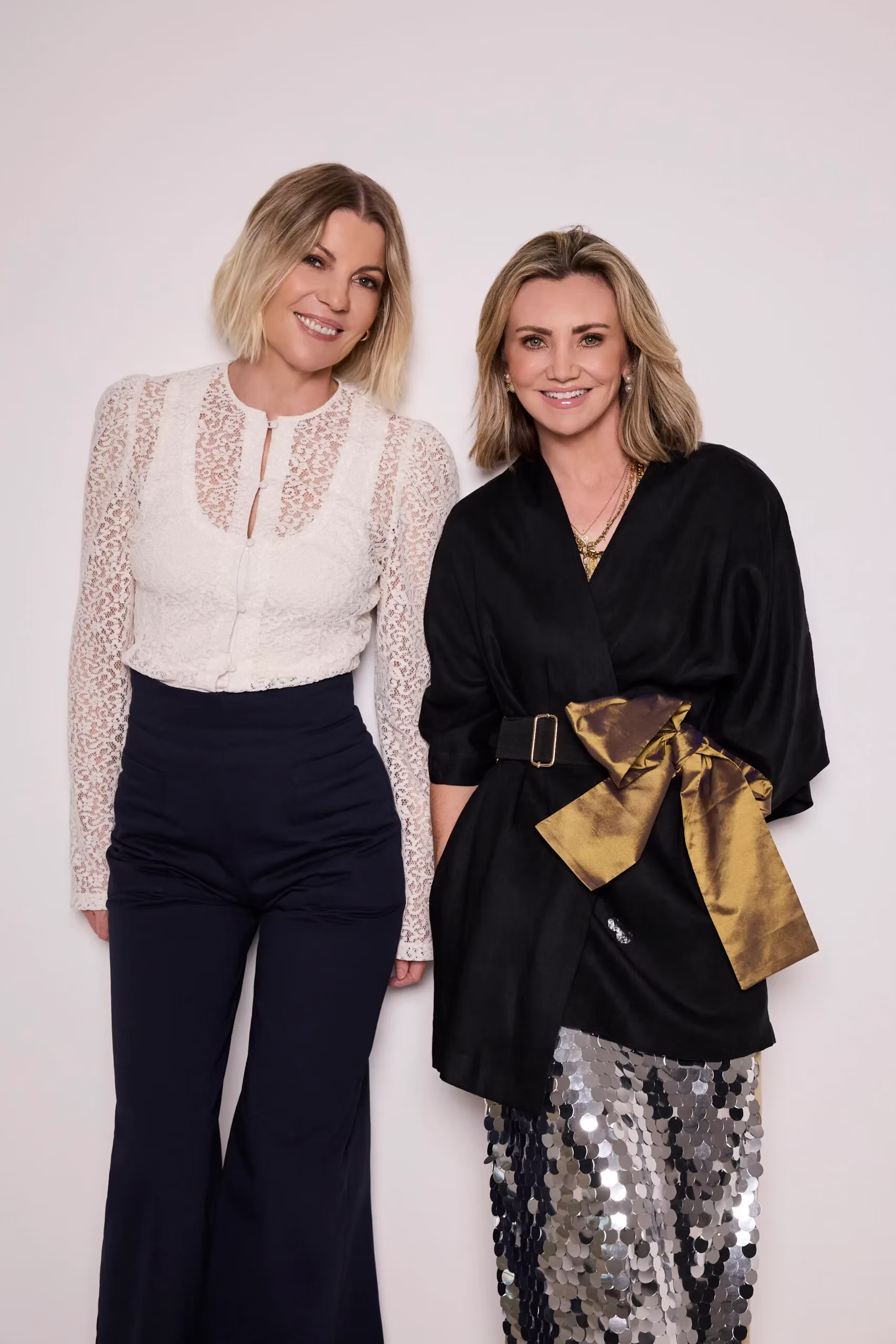
For Stewart, the challenges of online discovery aren't entirely new. Having previously founded Hard to Find, a marketplace connecting shoppers with independent brands and retailers, she's seen how significantly the way we shop online has changed.
When Hard to Find was established, the challenge was access. Independent businesses were producing great products, but finding them online wasn't nearly as easy as it is today. Now, with thousands of brands competing for our attention, the challenge is working out which ones are actually relevant to us.
Hosken brings two decades of experience across fashion, culture, media and entrepreneurship to the business. Together, the founders have drawn on their respective backgrounds to develop a platform that considers fashion discovery from both a technological and a consumer perspective.
Their experience within fashion and retail is important here. Shopping for clothes isn't always about finding something as quickly as possible. Often, the enjoyment comes from browsing, discovering a new designer or coming across a piece you hadn't even considered buying.
Spotify, But for Fashion
The founders have described Yootopia as “Spotify, but for fashion”. While the comparison between new technology platforms and Spotify has become somewhat overused, it makes sense in this context.
Much like building a music library around the artists you listen to, Yootopia allows you to create a shopping space around the brands you love. Rather than every customer entering the same online department store, each user can build a version of the platform that reflects their own interests.


For independent fashion labels, the business model is also worth paying attention to. According to Yootopia, brands won't be charged commissions, cost per click fees or placement fees. Purchases are completed directly through the brand's own website, allowing retailers to retain their relationship with the customer.
If the model works as intended, it could offer smaller labels another avenue for reaching shoppers without having to compete directly with the advertising budgets of much larger businesses.
Do We Actually Want AI to Dress Us?
As AI becomes more integrated into fashion, we're seeing an increasing number of platforms designed to predict what we'll like, recommend outfits and make purchasing decisions easier. While there's an obvious appeal to some of these developments, I'm not entirely convinced that making fashion as efficient as possible should be the goal.
Some of my favourite pieces are things I wasn't specifically looking for. Personal style develops through experimentation, changing your mind and occasionally buying something that feels completely different to everything else in your wardrobe. I'd hate for that to be lost because an algorithm has decided it doesn't align with my previous purchases.
What appeals to me about Yootopia's approach is that the technology is intended to assist with discovery rather than make those decisions for you. You still choose the brands you're interested in, browse their collections and decide what you want to wear. AI simply helps make that process a little more manageable.
Of course, how well this translates into the actual shopping experience remains to be seen. Building a personalised platform is one thing, but creating somewhere people genuinely enjoy browsing and want to return to is another.
I'd love to see online shopping become a little less repetitive, particularly at a time when discovering smaller designers often requires actively searching for them. We already have more fashion available to us than we could possibly consume. Perhaps what we need now is a better way of navigating it.
Whether Yootopia becomes part of our everyday shopping habits or not, I think the founders are asking the right questions about where online fashion discovery is heading.
With love (and frankness),
Bea x